Comparing 3 Eco-Friendly Cleaning Products for a Healthier Home
Comparing 3 Eco-Friendly Cleaning Products for a Healthier Home: 3 comparison starting points, what to check and how to choose for real use.
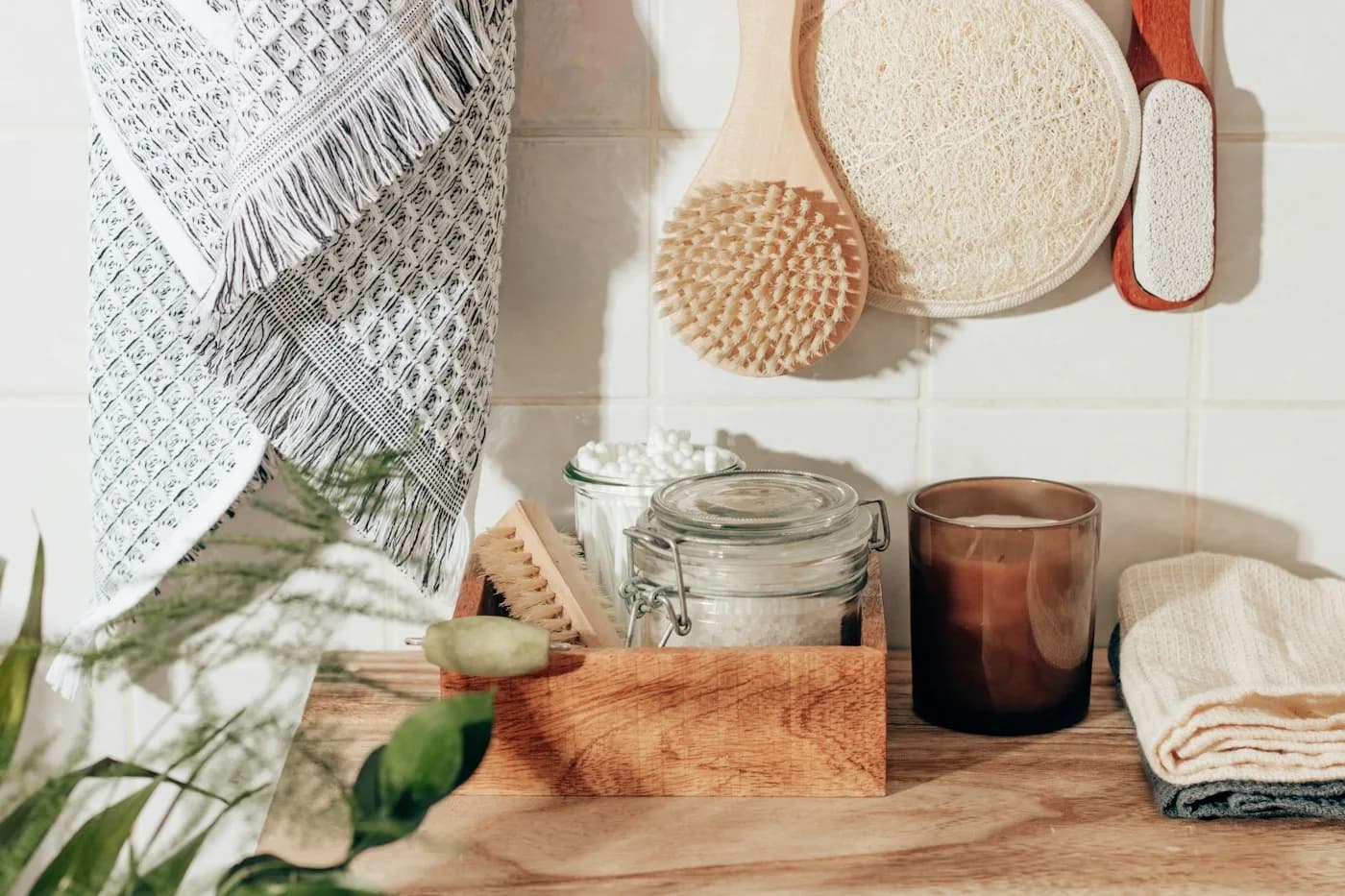
Cleaning products should be chosen for the task, surface and people in the home. A pleasant scent or plant-based ingredient is not evidence that a product disinfects or is harmless. This guide considers comparing 3 Eco-Friendly Cleaning Products for a Healthier Home as a practical shortlist, not a measured ranking of environmental performance.
What matters when choosing cleaning products
Read the use directions, dilution, surface compatibility and warnings. Compare refill logistics and any specific third-party product label; never mix cleaners, particularly bleach with acids or ammonia.
Make the choice useful for longer
Keep products in labelled containers away from children and pets. Dose as directed and avoid buying a specialist cleaner when an existing suitable product does the job.
A few places to start
These recommendations are editorial starting points. We have not personally tested them; check current product details with the retailer or maker.
Seventh Generation
Compare household cleaners for specific surfaces.
Worth checking: Read the exact formula, use directions and contact time if disinfecting.
Visit websiteBlueland
Explore tablet-and-bottle refill formats.
Worth checking: Check what the starter kit includes and whether the formula suits the surface.
Visit websiteECOS
Compare everyday cleaning formats.
Worth checking: Verify labels on the exact product, not just the brand.
Visit website