Comparing 4 Sustainable Art Supplies for Creative Minds
A comparison of 4 sustainable art supplies for artists who care about the environment. Create beautiful art responsibly.
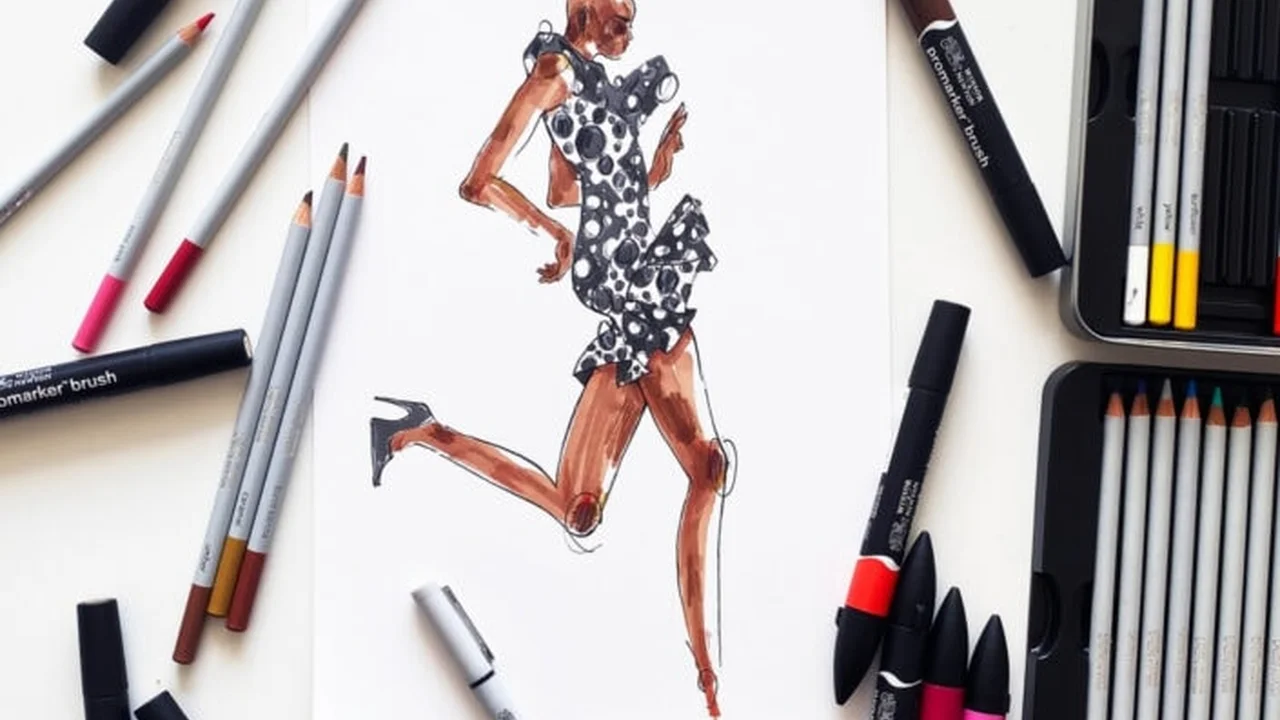
A comparison of 4 sustainable art supplies for artists who care about the environment. Create beautiful art responsibly.
Comparing 4 Sustainable Art Supplies for Creative Minds
Why Choose Sustainable Art Supplies for Your Creative Journey
As artists, we often focus on the beauty we create, but how much thought do we give to the materials we use? The art supply industry, like many others, has a significant environmental footprint. Traditional art supplies can contain toxic chemicals, contribute to deforestation, and generate a lot of waste. But what if you could create stunning art while also being kind to the planet? That's where sustainable art supplies come in. Choosing eco-friendly options means you're supporting brands that prioritize ethical sourcing, non-toxic ingredients, and responsible manufacturing processes. It's about aligning your creative passion with your environmental values, making every brushstroke and pencil mark a conscious choice. This guide will dive deep into four categories of sustainable art supplies, offering comparisons, product recommendations, and practical advice for artists in the US and Southeast Asia looking to make a positive impact.
Sustainable Paper and Sketchbooks Exploring Eco-Friendly Surfaces
Paper is the foundation for many artistic endeavors, from sketching to watercolor. Traditional paper production often involves extensive logging and chemical-intensive pulping processes. Sustainable alternatives, however, offer a greener canvas for your creativity. When looking for eco-friendly paper, consider options made from recycled content, alternative fibers, or those certified by organizations like the Forest Stewardship Council (FSC).
Recycled Paper and Sketchbooks
Recycled paper is a fantastic choice, reducing the demand for virgin timber and diverting waste from landfills. Look for high post-consumer waste (PCW) content for the biggest environmental benefit.
- Product Recommendation: Strathmore 400 Series Recycled Sketch Pad
- Description: This popular sketch pad contains 30% post-consumer fiber, offering a good surface for dry media like pencil, charcoal, and pastels. It's widely available and a great entry point for sustainable sketching.
- Usage Scenario: Ideal for daily sketching, brainstorming, and preliminary drawings.
- Comparison: Compared to generic sketch pads, Strathmore's recycled option offers a more environmentally conscious choice without sacrificing quality for most dry media applications. The texture is smooth enough for detail but has enough tooth for layering.
- Price Range: Approximately $8 - $20 USD depending on size and sheet count.
Bamboo Paper and Sketchbooks
Bamboo is a rapidly renewable resource, making it an excellent sustainable alternative to wood pulp. Bamboo paper often has a unique texture and can be surprisingly durable.
- Product Recommendation: Hahnemühle Bamboo Mixed Media Paper
- Description: Made from 90% bamboo fibers and 10% cotton, this paper is acid-free and highly versatile. It's suitable for watercolor, acrylic, ink, and drawing.
- Usage Scenario: Perfect for artists who work with multiple mediums and want a sturdy, eco-friendly surface. Great for finished pieces as well as studies.
- Comparison: Hahnemühle's bamboo paper stands out for its mixed-media capabilities, offering a more robust surface than many recycled papers. It's a premium option that performs exceptionally well with wet media, unlike some recycled papers that can buckle.
- Price Range: Approximately $15 - $40 USD for pads or individual sheets, depending on size and weight.
FSC Certified Paper
FSC certification ensures that the wood pulp used in the paper comes from responsibly managed forests, promoting biodiversity and protecting ecosystems.
- Product Recommendation: Canson XL Mix Media Pad (FSC Certified)
- Description: While not made from recycled content, many Canson XL pads are FSC certified, ensuring responsible forestry. This particular pad is excellent for a variety of wet and dry techniques.
- Usage Scenario: A versatile option for students and professional artists needing a reliable, ethically sourced paper for diverse projects.
- Comparison: Offers a more traditional paper feel than bamboo, but with the assurance of responsible sourcing. It's a good all-rounder for those who prefer a standard paper texture but want to avoid unsustainable forestry practices.
- Price Range: Approximately $10 - $30 USD depending on size and sheet count.
Non-Toxic Paints and Pigments Creating with Conscience
Many traditional paints contain heavy metals, petroleum-based binders, and other harmful chemicals that can be toxic to artists and the environment. Sustainable paint options focus on natural pigments, plant-based binders, and reduced chemical content.
Natural Earth Pigment Paints
These paints are made from pigments derived directly from the earth, often mixed with natural binders like plant gums or oils. They offer a beautiful, earthy palette and are incredibly safe.
- Product Recommendation: Natural Earth Paint Kit (Children's or Adult)
- Description: This brand offers powdered earth pigments that you mix with water or a plant-based binder to create your own paints. They are non-toxic, vegan, and come in compostable packaging.
- Usage Scenario: Ideal for artists looking for the purest, most natural painting experience. Great for eco-conscious parents and educators. Can be used for watercolor, tempera, or even mixed with oils for oil painting.
- Comparison: Unlike conventional tube paints, these require mixing, which can be a learning curve but offers ultimate control over consistency. The color palette is naturally muted but vibrant in its own way. Far superior in terms of non-toxicity compared to acrylics or oils with synthetic pigments.
- Price Range: Approximately $25 - $60 USD for a kit, depending on the number of colors.
Plant-Based and Vegan Acrylics
While traditional acrylics are plastic-based, some brands are developing acrylics with plant-based binders and non-toxic pigments, offering a more sustainable alternative for acrylic painters.
- Product Recommendation: Liquitex Professional Heavy Body Acrylics (Select Vegan Colors)
- Description: While not all Liquitex colors are vegan, many are, and the brand is working towards more sustainable practices. Look for specific colors that are confirmed vegan and free from cadmium or lead.
- Usage Scenario: For artists who love the versatility and quick drying time of acrylics but want to minimize their environmental impact. Suitable for canvas, wood, and various surfaces.
- Comparison: These offer the familiar performance of professional acrylics but with a more ethical ingredient profile for specific colors. They are a step up from conventional acrylics in terms of sustainability, though still plastic-based.
- Price Range: Approximately $8 - $25 USD per tube, depending on size and pigment.
Watercolors with Natural Binders
Many watercolors are already relatively low-impact, but some brands go further by using natural binders like gum arabic and avoiding animal-derived ingredients.
- Product Recommendation: Sennelier L'Aquarelle French Artists' Watercolors (Select Vegan Colors)
- Description: Sennelier watercolors are known for their honey-based binder, which provides excellent luminosity. While honey isn't vegan, many of their pigments are. Some brands like Daniel Smith also offer vegan options.
- Usage Scenario: Ideal for watercolor artists seeking vibrant, high-quality pigments with a focus on natural ingredients.
- Comparison: These offer superior lightfastness and vibrancy compared to student-grade watercolors. While not all are fully vegan, selecting specific colors can make a difference. They are generally less toxic than oil or acrylic paints.
- Price Range: Approximately $10 - $30 USD per tube or pan, depending on size and pigment.
Eco-Friendly Brushes and Tools Sustainable Art Utensils
Brushes often use animal hair and plastic handles. Sustainable alternatives focus on synthetic fibers, recycled materials, and responsibly sourced wood.
Synthetic Brushes with Recycled Handles
These brushes combine cruelty-free synthetic bristles with handles made from recycled plastic or sustainably sourced wood.
- Product Recommendation: Princeton EcoSynthetic Brushes
- Description: Princeton offers a range of brushes with synthetic bristles and handles made from recycled materials. They are durable and perform well with various paint types.
- Usage Scenario: Versatile brushes suitable for acrylics, watercolors, and oils. Great for artists who want a cruelty-free and environmentally conscious option.
- Comparison: These offer a good balance of performance and sustainability. They are a significant improvement over brushes with virgin plastic handles or animal hair. The synthetic bristles are often more durable and easier to clean than natural hair.
- Price Range: Approximately $5 - $20 USD per brush, or $20 - $50 for sets.
Bamboo Handle Brushes
Bamboo is a fast-growing, renewable resource, making it an excellent choice for brush handles.
- Product Recommendation: Craftamo Bamboo Handle Paint Brush Set
- Description: This set features synthetic bristles and handles made from sustainable bamboo. They are designed for various painting techniques.
- Usage Scenario: A good all-around set for beginners and experienced artists looking for an eco-friendly brush option.
- Comparison: Similar performance to other synthetic brushes but with the added benefit of a highly sustainable handle material. They often have a comfortable, natural feel in hand.
- Price Range: Approximately $15 - $40 USD for a set.
Palette Knives and Mixing Tools from Sustainable Materials
Beyond brushes, consider your mixing tools. Plastic palettes and metal knives can be replaced with more sustainable options.
- Product Recommendation: Bamboo or Wooden Palette Knives / Glass Palettes
- Description: Instead of plastic, opt for palette knives made from bamboo or sustainably sourced wood. For palettes, a simple glass sheet or ceramic plate is reusable and easy to clean.
- Usage Scenario: For mixing paints, applying texture, or cleaning up. Glass palettes are excellent for all paint types.
- Comparison: These are far more durable and sustainable than disposable plastic palettes or flimsy plastic knives. Glass palettes are particularly easy to clean and don't stain like plastic.
- Price Range: Bamboo knives: $5 - $15 USD. Glass palettes: $10 - $30 USD.
Sustainable Drawing and Writing Instruments Eco-Conscious Mark Making
Even pencils and pens can have a sustainable twist, from recycled materials to refillable designs.
Recycled Content Pencils
These pencils are made from recycled paper, plastic, or even denim, offering a creative way to repurpose waste.
- Product Recommendation: Sprout Plantable Pencils
- Description: These unique pencils are made from sustainably harvested wood and contain a seed capsule at the end. Once the pencil is too short to use, you can plant it to grow herbs or flowers.
- Usage Scenario: Perfect for sketching, writing, and as a thoughtful gift for eco-conscious individuals.
- Comparison: While not made from recycled content, their plantable feature makes them incredibly sustainable, offering a second life. They write just like a regular pencil but with a fun, green twist.
- Price Range: Approximately $10 - $25 USD for a pack.
Refillable Pens and Markers
Reducing plastic waste from disposable pens and markers is a huge win for sustainability.
- Product Recommendation: Pilot FriXion Refillable Gel Pens / Copic Refillable Markers
- Description: Pilot FriXion pens are popular for their erasable ink and refillable cartridges. Copic markers are professional-grade and designed to be refilled with ink, significantly extending their lifespan.
- Usage Scenario: FriXion pens are great for sketching, note-taking, and light drawing. Copic markers are essential for illustrators, designers, and comic artists.
- Comparison: Refillable options drastically reduce waste compared to buying new pens or markers. While the initial cost might be higher for Copic, the long-term savings and environmental benefits are substantial.
- Price Range: FriXion refills: $5 - $10 USD for a pack. Copic refills: $5 - $10 USD per bottle, markers $5 - $10 USD each.
Natural Charcoal and Graphite
Charcoal and graphite are naturally occurring minerals, making them inherently sustainable, especially when minimally processed.
- Product Recommendation: General's Pure Woodless Graphite Pencils / Willow Charcoal
- Description: Woodless graphite pencils are solid sticks of graphite, minimizing wood waste. Willow charcoal is simply carbonized willow branches, a very natural and biodegradable drawing tool.
- Usage Scenario: Ideal for expressive drawing, shading, and life drawing.
- Comparison: These are some of the most naturally sustainable drawing tools available. They offer a different feel and range of marks compared to traditional wood-cased pencils, often allowing for broader strokes and richer tones.
- Price Range: Graphite pencils: $3 - $8 USD each. Willow charcoal: $5 - $15 USD for a pack.
Making the Switch to Sustainable Art Supplies Practical Tips for Artists
Transitioning to sustainable art supplies doesn't have to happen overnight. Here are some practical tips to help you on your journey:
- Start Small: Begin by replacing one type of supply at a time, like your sketch paper or a set of brushes.
- Research Brands: Look for brands that are transparent about their sourcing, manufacturing processes, and environmental certifications.
- Read Labels: Check for terms like 'non-toxic,' 'vegan,' 'recycled content,' 'FSC certified,' and 'plant-based.'
- Support Local: If possible, buy from local art supply stores that might carry smaller, artisanal brands with strong sustainability practices.
- Reduce Waste: Beyond buying sustainable products, focus on reducing waste in your studio. Reuse containers, clean brushes thoroughly to extend their life, and recycle packaging.
- Educate Yourself: Learn about the environmental impact of different art materials and share your knowledge with fellow artists.
- Don't Waste What You Have: It's more sustainable to use up your existing supplies before buying new ones, even if they aren't 'sustainable.' The most eco-friendly product is the one you already own.
By making conscious choices about the art supplies you use, you're not just creating beautiful art; you're also contributing to a healthier planet. Every small step makes a difference, and your art can become a powerful statement for sustainability.
:max_bytes(150000):strip_icc()/277019-baked-pork-chops-with-cream-of-mushroom-soup-DDMFS-beauty-4x3-BG-7505-5762b731cf30447d9cbbbbbf387beafa.jpg)