The 10 Most Sustainable Transportation Options for Travel
Find the 10 most sustainable transportation options for travel, reducing your carbon footprint. Journey responsibly.
Find the 10 most sustainable transportation options for travel, reducing your carbon footprint. Journey responsibly.
The 10 Most Sustainable Transportation Options for Travel
Understanding Sustainable Travel and Your Carbon Footprint
In an era where global warming and environmental degradation are pressing concerns, the way we travel has come under increasing scrutiny. Sustainable travel isn't just a buzzword; it's a conscious effort to minimize our environmental impact, support local economies, and preserve cultural heritage. One of the most significant ways our travel affects the planet is through our carbon footprint – the total greenhouse gas emissions caused by our activities. Transportation is a major contributor to this footprint. Choosing sustainable transportation options is a powerful step towards more responsible and eco-conscious exploration. This guide will delve into the top 10 most sustainable transportation methods, offering insights into their benefits, practical applications, and even some specific product recommendations to help you journey responsibly.
Walking The Ultimate Zero Emission Travel
When it comes to sustainability, nothing beats walking. It's the purest form of zero-emission travel, requiring no fuel, producing no pollution, and offering immense health benefits. Walking allows you to truly immerse yourself in a destination, noticing details you'd otherwise miss from a car or bus. It's perfect for exploring city centers, national parks, and scenic trails. For short distances, walking is always the best choice. Consider walking tours in new cities or simply exploring on foot instead of hailing a taxi. The only 'product' you need is a comfortable pair of shoes. Brands like Allbirds (known for their sustainable materials like merino wool and eucalyptus fiber, typically priced around $95-$135) or Veja (fair trade and organic cotton sneakers, usually $120-$180) offer excellent eco-friendly options that are both comfortable and stylish for extensive walking.
Cycling Embrace Two Wheels for Eco Friendly Journeys
Cycling is another fantastic low-impact transportation method. It's efficient, healthy, and allows for greater range than walking while still keeping you connected to your surroundings. Bicycles produce zero emissions and help reduce traffic congestion. They are ideal for urban commutes, exploring rural areas, or even multi-day touring. Many cities worldwide now offer bike-sharing programs, making it easy for travelers to access bikes without owning one. For those looking to invest, consider brands like Trek or Specialized for their commitment to sustainable manufacturing practices and durable bikes (prices vary widely from $500 for entry-level to several thousands for high-end models). For accessories, look for helmets made with recycled materials or bike bags from companies like Ortlieb, known for their durable, repairable, and long-lasting products (panniers typically $150-$300 per pair).
Electric Bicycles E Bikes for Extended Eco Mobility
Electric bicycles, or e-bikes, offer the benefits of traditional cycling with an added boost, making them accessible to a wider range of people and for longer distances or hilly terrains. While they require electricity for charging, their emissions per mile are significantly lower than cars. E-bikes are excellent for commuting, leisure rides, and even light cargo transport. They're gaining popularity in tourist destinations for exploring larger areas without excessive physical exertion. Brands like Rad Power Bikes (known for their affordable and robust e-bikes, typically $1,500-$2,500) or Tern Bicycles (specializing in folding e-bikes for urban dwellers, often $2,000-$4,000) are good choices. When charging, try to use renewable energy sources if available.
Public Transportation Buses Trains and Trams for Collective Impact
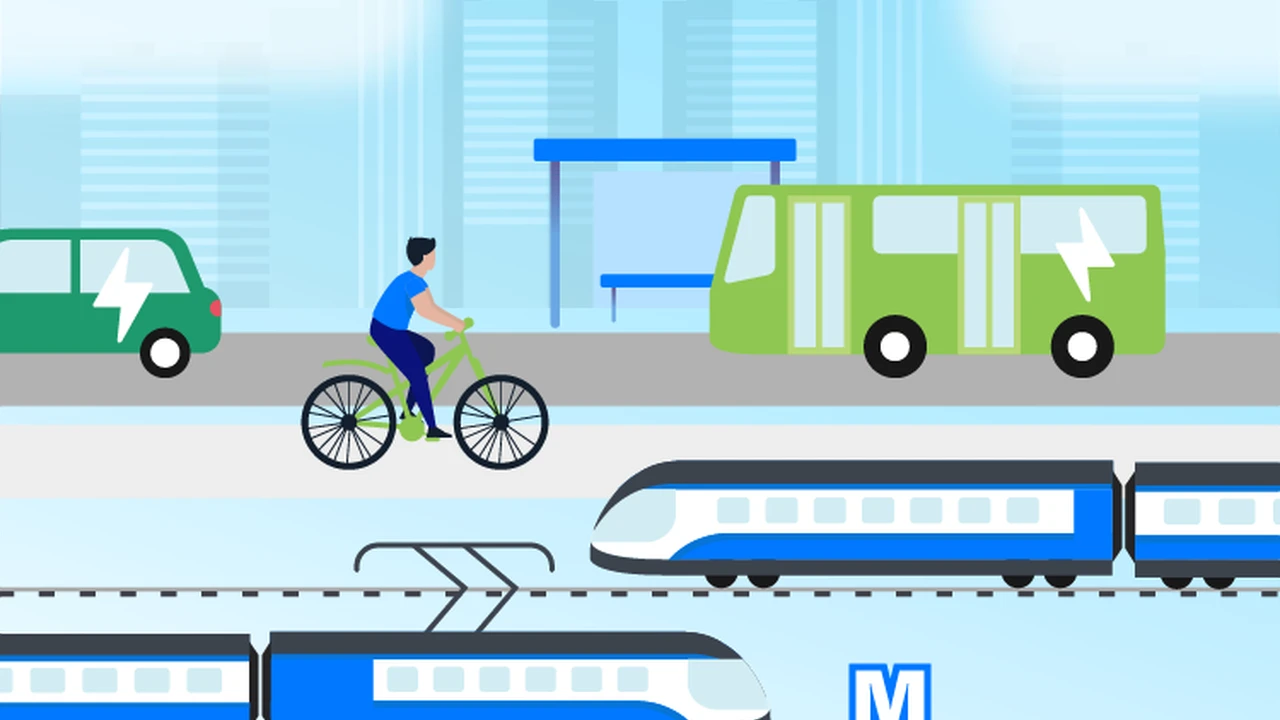
Utilizing public transportation like buses, trains, subways, and trams is a highly sustainable choice, especially in urban and intercity travel. These modes of transport move a large number of people efficiently, significantly reducing the number of individual cars on the road and thus lowering overall emissions per passenger. Trains, in particular, are often lauded as one of the most eco-friendly long-distance travel options, especially when powered by electricity from renewable sources. For example, high-speed rail networks in Europe and Asia offer a comfortable and low-carbon alternative to flying for many routes. When planning your trip, prioritize destinations with robust public transport networks. Many cities offer multi-day passes (e.g., London's Oyster Card or Tokyo's Suica/Pasmo, costs vary based on duration and usage) that make using public transport convenient and often more affordable than taxis or ride-shares.
Electric Vehicles EVs and Hybrid Cars Driving Towards a Greener Future
While private car ownership generally has a higher environmental impact than public transport, choosing an electric vehicle (EV) or a hybrid car significantly reduces emissions compared to traditional gasoline-powered vehicles. EVs produce zero tailpipe emissions, and their overall carbon footprint depends on the electricity source used for charging. Hybrid cars combine a gasoline engine with an electric motor, offering improved fuel efficiency. For road trips or areas where public transport is limited, renting an EV can be a more sustainable option. Companies like Hertz and Enterprise are expanding their EV rental fleets (rental costs vary but can be comparable to standard cars, sometimes with premium pricing). If purchasing, popular EV models include the Tesla Model 3 (starting around $40,000-$50,000), Hyundai Kona Electric (around $35,000-$45,000), or the Toyota Prius Prime (a popular plug-in hybrid, around $30,000-$35,000). Always consider the charging infrastructure at your destination.
Car Sharing and Ride Sharing Optimize Vehicle Usage
Car-sharing services (like Zipcar or Turo) and ride-sharing platforms (like Uber Pool or Lyft Line) promote more efficient use of existing vehicles, reducing the need for individual car ownership and the number of cars on the road. Car-sharing allows you to access a vehicle only when needed, minimizing idle time and parking space requirements. Ride-sharing, especially carpooling options, consolidates trips, leading to fewer vehicles per journey. While not entirely emission-free, they are generally more sustainable than each person driving their own car. Look for options within these services that specifically offer electric or hybrid vehicles for an even greener choice. Costs vary by service and duration/distance.
Intercity Buses An Affordable and Eco Conscious Choice
For intercity travel, especially in regions without extensive rail networks, intercity buses can be a surprisingly sustainable and affordable option. Modern buses are fuel-efficient and carry a large number of passengers, making their per-passenger emissions relatively low compared to individual cars or even short-haul flights. Companies like FlixBus (Europe and North America, prices vary widely based on route and booking time, often very affordable) or Greyhound (North America, similar pricing structure) offer extensive networks. They are particularly good for budget-conscious travelers looking to minimize their environmental impact.
Sailing and Ferry Travel Embrace the Waterways
For coastal regions, islands, or destinations accessible by water, sailing and ferry travel can be a delightful and sustainable alternative. Traditional sailing boats rely on wind power, making them inherently eco-friendly. While large ferries use fuel, they are highly efficient at transporting many passengers and vehicles, reducing the need for individual car journeys or flights. Consider taking a ferry for island hopping in Southeast Asia or exploring the fjords of Norway. Some ferry operators are also investing in hybrid or electric vessels to further reduce their environmental impact. For example, some Norwegian fjords now have electric ferries. Costs vary significantly based on route and duration.
Human Powered Watercraft Kayaking and Canoeing
For recreational travel and exploring natural waterways, human-powered watercraft like kayaks and canoes are incredibly sustainable. They offer a unique perspective of nature, allowing you to glide silently through rivers, lakes, and calm coastal areas without any emissions. This is perfect for eco-tourism, wildlife viewing, and active holidays. Many national parks and eco-resorts offer kayak or canoe rentals (typically $20-$50 per hour or half-day). If you're looking to purchase, brands like Perception Kayaks or Old Town Canoes offer durable options (recreational kayaks often $400-$800, canoes $600-$1,500). Look for models made with recycled plastics where possible.
Offsetting Your Emissions When Other Options Are Limited
While the primary goal is to choose sustainable transportation, sometimes flying or driving a conventional car is unavoidable due to distance, time constraints, or lack of alternatives. In such cases, consider offsetting your carbon emissions. Carbon offsetting involves investing in projects that reduce greenhouse gases elsewhere, such as renewable energy initiatives or reforestation programs. Many airlines and travel agencies offer carbon offsetting programs directly (e.g., through partners like Cool Effect or Terrapass, costs are usually a small percentage of your travel fare, often $5-$20 per flight depending on distance). While not a perfect solution, it's a way to mitigate the impact of less sustainable travel choices. Always research the offsetting program to ensure it's reputable and effective.
Making Conscious Choices for a Greener Journey
Choosing sustainable transportation is a crucial part of responsible travel. By prioritizing walking, cycling, public transport, and electric vehicles, we can significantly reduce our environmental footprint and contribute to a healthier planet. Even small changes in our travel habits can collectively make a big difference. So, next time you plan a trip, consider these sustainable options and embark on a journey that's not only memorable but also mindful of our precious Earth.
:max_bytes(150000):strip_icc()/277019-baked-pork-chops-with-cream-of-mushroom-soup-DDMFS-beauty-4x3-BG-7505-5762b731cf30447d9cbbbbbf387beafa.jpg)