Top 3 Sustainable Flooring Options for a Green Home Renovation
Explore the top 3 sustainable flooring options for your next home renovation. Make eco-conscious choices for your floors.
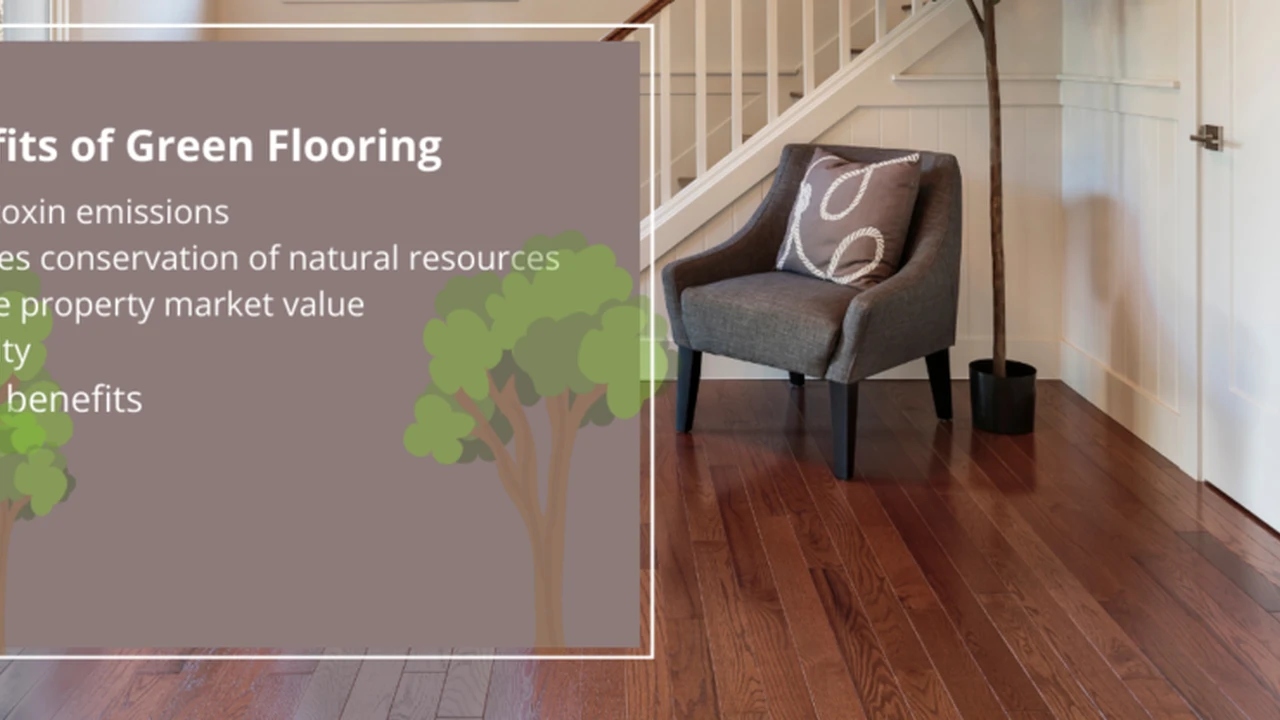
Explore the top 3 sustainable flooring options for your next home renovation. Make eco-conscious choices for your floors.
Top 3 Sustainable Flooring Options for a Green Home Renovation
Thinking about a home renovation? That's exciting! And if you're like many homeowners today, you're probably looking for ways to make your space not just beautiful, but also more environmentally friendly. One of the biggest impacts you can make in a renovation, both aesthetically and ecologically, is through your flooring choices. Forget those old notions that sustainable means sacrificing style or durability. Today's eco-conscious flooring options are incredibly diverse, offering everything from sleek modern looks to rustic charm, all while being kind to the planet. We're going to dive deep into the top three sustainable flooring options that are making waves in green home design: bamboo, cork, and reclaimed wood. We'll look at their unique benefits, potential drawbacks, and even recommend some specific products to help you make the best choice for your home and your values.
Bamboo Flooring The Rapidly Renewable Choice for Modern Homes
Bamboo isn't just for pandas anymore! This incredibly fast-growing grass has become a superstar in the sustainable flooring world. Why? Because it's one of the most rapidly renewable resources on the planet. Unlike traditional hardwoods that can take decades or even centuries to mature, bamboo can be harvested every 3-5 years without damaging the root system, allowing it to regrow quickly. This makes it an excellent choice for those looking to minimize their environmental footprint.
Benefits of Bamboo Flooring Durability Style and Eco Friendliness
One of the biggest draws of bamboo flooring is its impressive durability. High-quality bamboo, especially strand-woven varieties, can be harder and more dent-resistant than many traditional hardwoods like oak or maple. This makes it a great option for high-traffic areas in your home, like living rooms, hallways, and kitchens. It's also relatively easy to maintain, requiring just regular sweeping or vacuuming and occasional damp mopping. In terms of style, bamboo offers a clean, contemporary look that can range from light, natural tones to darker, carbonized shades. It brings a unique grain pattern that's distinct from wood, adding a touch of exotic elegance to any space. Plus, its eco-friendly credentials are top-notch, as long as you choose products from reputable manufacturers who practice sustainable harvesting and use low-VOC (Volatile Organic Compound) adhesives.
Considerations for Bamboo Flooring Sourcing and Moisture
While bamboo is fantastic, there are a few things to keep in mind. Not all bamboo is created equal. It's crucial to look for Moso bamboo, which is the species typically used for flooring, and ensure it's harvested responsibly. Certification from organizations like the Forest Stewardship Council (FSC) or similar eco-labels can give you peace of mind. Also, like wood, bamboo can be susceptible to moisture. It's not ideal for extremely wet areas like bathrooms, and proper installation with an adequate moisture barrier is essential, especially in humid climates. Expansion and contraction can occur with changes in humidity, so leaving expansion gaps during installation is important.
Recommended Bamboo Flooring Products and Pricing
When it comes to specific products, you'll find a range of options. For a high-quality, durable choice, consider Cali Bamboo's Fossilized® Wide Plank Flooring. This brand is known for its incredibly dense and durable strand-woven bamboo, often boasting Janka hardness ratings significantly higher than oak. Their wide plank options give a modern, expansive feel. Prices for Cali Bamboo typically range from $5.00 to $8.00 per square foot, depending on the specific collection and finish. Another excellent option is Teragren's Synergy Collection. Teragren is a pioneer in sustainable bamboo, offering beautiful, durable, and FSC-certified products. Their prices are usually in the $6.00 to $9.00 per square foot range. For a more budget-friendly yet still sustainable option, look for brands like Ambient Bamboo Flooring, which offers good quality at around $3.00 to $6.00 per square foot. Always check for third-party certifications and low-VOC adhesives when purchasing.
Cork Flooring The Soft and Sustainable Sound Absorber
Cork flooring might just be one of the most underrated sustainable options out there. It's harvested from the bark of the cork oak tree, primarily found in the Mediterranean region. The amazing part? The tree isn't cut down! The bark is carefully stripped every 9-12 years, allowing the tree to regenerate its bark, making it a truly renewable resource. This process doesn't harm the tree and actually contributes to the health of the cork oak forests, which are vital ecosystems.
Benefits of Cork Flooring Comfort Acoustics and Health
Cork flooring offers a unique set of benefits that make it incredibly appealing. First and foremost, it's incredibly comfortable underfoot. Its natural elasticity provides a soft, cushioned feel, which is great for standing for long periods in kitchens or for playrooms where kids might be running around. This elasticity also gives it excellent sound-absorbing properties, making rooms quieter and more peaceful – a huge plus for multi-story homes or apartments. Cork is naturally hypoallergenic and resistant to mold, mildew, and pests, making it a healthy choice for indoor air quality. It also has natural insulating properties, helping to keep your home warmer in winter and cooler in summer, potentially reducing energy bills. And of course, its sustainability story is compelling.
Considerations for Cork Flooring Durability and Moisture
While cork is durable in many ways, it's softer than bamboo or hardwood, meaning it can be more susceptible to dents from heavy furniture or sharp objects. However, its natural elasticity often allows it to 'bounce back' from minor indentations. Like bamboo, cork is not ideal for areas with excessive moisture, such as bathrooms with showers, as it can swell or warp. It's best suited for living rooms, bedrooms, kitchens (with proper sealing), and home offices. Proper sealing is crucial for cork to protect it from spills and stains, and it may require re-sealing every few years depending on wear and tear.
Recommended Cork Flooring Products and Pricing
For top-tier cork flooring, look at Wicanders Cork Flooring. Wicanders is a global leader, offering a wide range of styles, colors, and finishes, including click-and-lock systems for easier installation. Their products are known for their durability and comfort. Prices for Wicanders cork flooring typically range from $4.00 to $7.00 per square foot. Another reputable brand is Jelinek Cork Group, which has been in the cork business for generations and offers both traditional glue-down tiles and floating floor options. Jelinek's prices are generally in the $3.50 to $6.50 per square foot range. For a more accessible option, some larger home improvement stores carry their own brands or private labels of cork flooring, often in the $2.50 to $5.00 per square foot range. Always ensure the product is free of harmful chemicals and has a durable finish.
Reclaimed Wood Flooring The Ultimate in Upcycling and Character
Reclaimed wood flooring is perhaps the most inherently sustainable option because it gives new life to old materials. This wood is salvaged from old barns, factories, warehouses, and even sunken logs, preventing it from ending up in landfills and reducing the demand for newly harvested timber. Every plank tells a story, carrying the marks of its previous life, which adds incredible character and a unique aesthetic to any home.
Benefits of Reclaimed Wood Flooring Unique Character Durability and History
The primary appeal of reclaimed wood is its unparalleled character. No two floors will ever be exactly alike. You'll find nail holes, saw marks, natural distressing, and a rich patina that only time can create. This gives your home a sense of history, warmth, and authenticity that new wood simply can't replicate. Beyond aesthetics, reclaimed wood is often incredibly durable. The wood used in old structures was typically old-growth timber, which is denser and more stable than much of the fast-grown new wood available today. It has also already gone through cycles of expansion and contraction, making it less prone to warping or shrinking once installed. From an environmental perspective, it's a fantastic choice because it diverts waste from landfills and eliminates the need to harvest new trees, preserving forests and their ecosystems.
Considerations for Reclaimed Wood Flooring Cost and Availability
While the benefits are numerous, there are a few considerations. Reclaimed wood can be more expensive than new hardwood, primarily due to the labor-intensive process of salvaging, de-nailing, milling, and preparing the wood for flooring. Prices can vary widely based on the species, rarity, and condition of the wood. Availability can also be a factor; you might need to search for specific species or quantities, and lead times can sometimes be longer than for new flooring. It's also crucial to work with reputable suppliers who properly process the wood to ensure it's free of pests and properly kiln-dried to prevent future issues.
Recommended Reclaimed Wood Flooring Suppliers and Pricing
When it comes to reclaimed wood, you're often dealing with specialized suppliers rather than big box stores. The Olde Wood Limited is a highly respected name in the industry, offering a vast selection of reclaimed species like oak, barnwood, and chestnut, in various finishes and plank sizes. Their prices can range from $8.00 to $20.00+ per square foot, depending on the rarity and processing. Another excellent choice is TerraMai, which specializes in reclaimed and sustainable wood products, including unique options like reclaimed teak and redwood. TerraMai's pricing is generally in a similar range, from $7.00 to $18.00+ per square foot. For a more localized search, look for regional reclaimed wood suppliers in your area. These smaller businesses often have unique finds and can sometimes offer more competitive pricing, perhaps in the $5.00 to $15.00 per square foot range, especially for more common species like reclaimed pine or oak. Always ask about the wood's origin, how it was processed, and what finishes are applied.
Making Your Sustainable Flooring Decision A Quick Comparison
So, how do you choose between these fantastic sustainable options? It really comes down to your priorities, budget, and the specific needs of your space.
- If durability and a modern aesthetic are key: Bamboo, especially strand-woven, is a strong contender. It's hard, relatively easy to maintain, and offers a clean look.
- If comfort, sound absorption, and a unique texture are priorities: Cork is an excellent choice. It's soft underfoot, quiet, and naturally insulating.
- If character, history, and the ultimate in upcycling appeal to you: Reclaimed wood is unmatched. Each plank tells a story, and its inherent durability from old-growth timber is a huge plus.
Consider the room where the flooring will be installed. High-traffic areas might benefit from the hardness of bamboo or reclaimed wood. Areas where noise reduction is important, like a second-story bedroom or a home office, would be perfect for cork. Think about your lifestyle too. Do you have pets or young children? The resilience of bamboo or the forgiving nature of cork might be beneficial. Are you prepared for the unique imperfections and character that come with reclaimed wood?
No matter which of these top 3 sustainable flooring options you choose, you're making a fantastic decision for your home and the planet. These materials prove that you don't have to compromise on style, durability, or comfort to create a beautiful, eco-conscious living space. Happy renovating!
:max_bytes(150000):strip_icc()/277019-baked-pork-chops-with-cream-of-mushroom-soup-DDMFS-beauty-4x3-BG-7505-5762b731cf30447d9cbbbbbf387beafa.jpg)