Top 6 Eco-Friendly Gardening Tools for a Sustainable Garden
{ "article": [ { "title": "Top 6 Eco-Friendly Gardening Tools for a Sustainable Garden", "meta_description": "Discover the top 6 eco-friendly gardening tools designed for a sustainable and thriving garden. Cultivate with consciousness.", "content": "Discover the top 6 eco-friendly gardening tools designed for a sustainable and thriving garden. Cultivate with consciousness.\n\n
\n\n
Why Choose Eco-Friendly Gardening Tools for Your Green Space
\nGardening is a wonderful way to connect with nature, grow your own food, and beautify your surroundings. But have you ever stopped to think about the tools you're using? Many conventional gardening tools are made from non-renewable resources, produced with high energy consumption, and designed for disposability. Opting for eco-friendly gardening tools is a crucial step towards creating a truly sustainable garden. These tools are often made from recycled or sustainably sourced materials, built to last, and designed with minimal environmental impact in mind. They help reduce your carbon footprint, support ethical manufacturing practices, and often perform just as well, if not better, than their less sustainable counterparts. It's about cultivating not just plants, but also a conscious approach to how we interact with our planet.
\n\nSustainable Materials in Gardening Tools What to Look For
\nWhen you're on the hunt for eco-friendly gardening tools, the materials they're made from are paramount. You want to look for tools crafted from renewable, recycled, or durable, long-lasting materials. Here's a breakdown of what to prioritize:
\n- \n
- FSC-Certified Wood: For handles on shovels, rakes, and hoes, look for wood that is Forest Stewardship Council (FSC) certified. This ensures the wood comes from responsibly managed forests that protect biodiversity and local communities. Avoid plastic handles whenever possible. \n
- Recycled Metals: Tools with heads made from recycled stainless steel or aluminum are excellent choices. Recycled metals significantly reduce the energy and resources needed for production compared to virgin materials. Stainless steel is also highly durable and rust-resistant, ensuring a long lifespan for your tools. \n
- Bamboo: A rapidly renewable resource, bamboo is an increasingly popular material for smaller tools like trowels, plant markers, and even some garden stakes. It's strong, lightweight, and naturally resistant to pests and rot. \n
- Recycled Plastics (with caution): While avoiding plastic is generally best, some tools might incorporate recycled plastic components. If so, ensure it's post-consumer recycled (PCR) content and that the tool is designed for durability, not single-use. \n
- Natural Fibers: For items like twine or garden ties, opt for natural fibers such as jute, hemp, or cotton. These are biodegradable and won't leave microplastics in your soil. \n
By focusing on these materials, you're making a conscious choice that benefits both your garden and the wider environment.
\n\nTop Eco-Friendly Gardening Tools for Every Gardener
\nLet's dive into some of the best eco-friendly gardening tools available today, perfect for both seasoned green thumbs and budding beginners. We'll compare specific products, discuss their ideal use cases, and give you an idea of their price points.
\n\n1. Sustainable Hand Trowels and Cultivators for Planting and Weeding
\nHand trowels and cultivators are the workhorses of any garden. For eco-friendly options, durability and material are key.
\nProduct Comparison:
\n- \n
- Barebones Living Hori Hori Garden Knife: This isn't just a trowel; it's a multi-purpose tool. Made with heat-tempered stainless steel and a walnut handle, it's incredibly durable and designed to last a lifetime. The blade is sharp on one side for cutting and serrated on the other for sawing through roots. It's excellent for digging, weeding, planting, and even dividing perennials. \n
- Use Case: Ideal for precise planting, stubborn weed removal, and general garden bed maintenance. \n
- Price: Approximately $40-$50 USD. \n
- Why it's Eco-Friendly: High-quality, durable materials mean less frequent replacement. Walnut is a sustainable wood choice. \n
- Fiskars Ergo Trowel (Recycled Materials): While Fiskars has many tools, some of their newer lines are incorporating recycled plastics and metals. Look for specific models that highlight recycled content. These are often lightweight and ergonomically designed. \n
- Use Case: General planting, scooping soil, and light weeding. Good for gardeners who prefer a lighter tool. \n
- Price: Approximately $15-$25 USD. \n
- Why it's Eco-Friendly: Utilizes recycled materials, reducing demand for virgin resources. \n
- Sneeboer Royal Dutch Hand Trowel: Hand-forged in Holland from stainless steel with an ash handle, Sneeboer tools are renowned for their exceptional quality and longevity. This trowel is a true heirloom piece. \n
- Use Case: Heavy-duty digging, breaking up compacted soil, and long-term garden use. \n
- Price: Approximately $60-$80 USD. \n
- Why it's Eco-Friendly: Built to last generations, minimizing waste. Ash wood is a sustainable choice. \n
- \n
- \n
- \n
2. Durable Garden Gloves for Hand Protection and Sustainability
\nProtecting your hands is essential, and eco-friendly gloves offer comfort without compromise.
\nProduct Comparison:
\n- \n
- Atlas Nitrile Touch Gloves (Bamboo/Nitrile): These gloves feature a bamboo knit liner, which is naturally breathable and sustainable, coated with nitrile for excellent grip and durability. They are comfortable for long periods of use. \n
- Use Case: General gardening tasks, planting, weeding, and light pruning. \n
- Price: Approximately $8-$12 USD per pair. \n
- Why it's Eco-Friendly: Bamboo is a highly renewable resource. Nitrile is a more environmentally friendly alternative to latex. \n
- Womanswork Recycled Cotton Gloves: Made from recycled cotton, these gloves are soft, breathable, and perfect for lighter gardening tasks. They offer good dexterity. \n
- Use Case: Delicate planting, seed starting, and light weeding where a softer touch is needed. \n
- Price: Approximately $10-$15 USD per pair. \n
- Why it's Eco-Friendly: Utilizes recycled materials, reducing textile waste. \n
- Bionic ReliefGrip Gardening Gloves (Sustainable Leather/Synthetic Blend): While leather isn't always considered eco-friendly, Bionic uses sustainable tanning processes and designs their gloves for extreme durability, meaning they last much longer than cheaper alternatives. They also incorporate synthetic materials for flexibility. \n
- Use Case: Heavy-duty tasks like pruning thorny bushes, handling rough materials, and extended use. \n
- Price: Approximately $30-$40 USD. \n
- Why it's Eco-Friendly: Focus on longevity and sustainable sourcing for leather components. \n
- \n
- \n
- \n
3. Eco-Conscious Pruning Shears for Healthy Plant Growth
\nClean cuts are vital for plant health, and sustainable pruners ensure you're doing it right.
\nProduct Comparison:
\n- \n
- Felco F-2 Classic Pruner: While not explicitly marketed as "eco-friendly" in terms of recycled content, Felco pruners are the gold standard for durability. Made in Switzerland with high-quality steel, they are designed to be fully repairable with replaceable parts. This longevity is a key aspect of sustainability. \n
- Use Case: Pruning small branches, deadheading, and general plant maintenance. \n
- Price: Approximately $60-$80 USD. \n
- Why it's Eco-Friendly: Extreme durability and repairability mean you buy one pair for life, significantly reducing waste. \n
- Okatsune Bypass Pruners (Japanese Steel): Similar to Felco, Okatsune pruners are known for their exceptional sharpness and durability. Made from high-carbon Japanese steel, they provide clean cuts and are built to withstand heavy use. \n
- Use Case: Precise pruning of live wood, roses, and shrubs. \n
- Price: Approximately $50-$70 USD. \n
- Why it's Eco-Friendly: Longevity and high performance reduce the need for frequent replacements. \n
- Corona Forged Bypass Pruner (Recycled Steel Option): Some Corona models, particularly their forged series, offer excellent durability. Look for specific lines that highlight recycled steel content or a strong commitment to repairability. \n
- Use Case: General pruning tasks, suitable for a wide range of garden plants. \n
- Price: Approximately $30-$50 USD. \n
- Why it's Eco-Friendly: Durable construction and potential for recycled materials. \n
- \n
- \n
- \n
4. Sustainable Watering Cans and Hoses for Efficient Hydration
\nWater is precious, and eco-friendly watering tools help conserve it.
\nProduct Comparison:
\n- \n
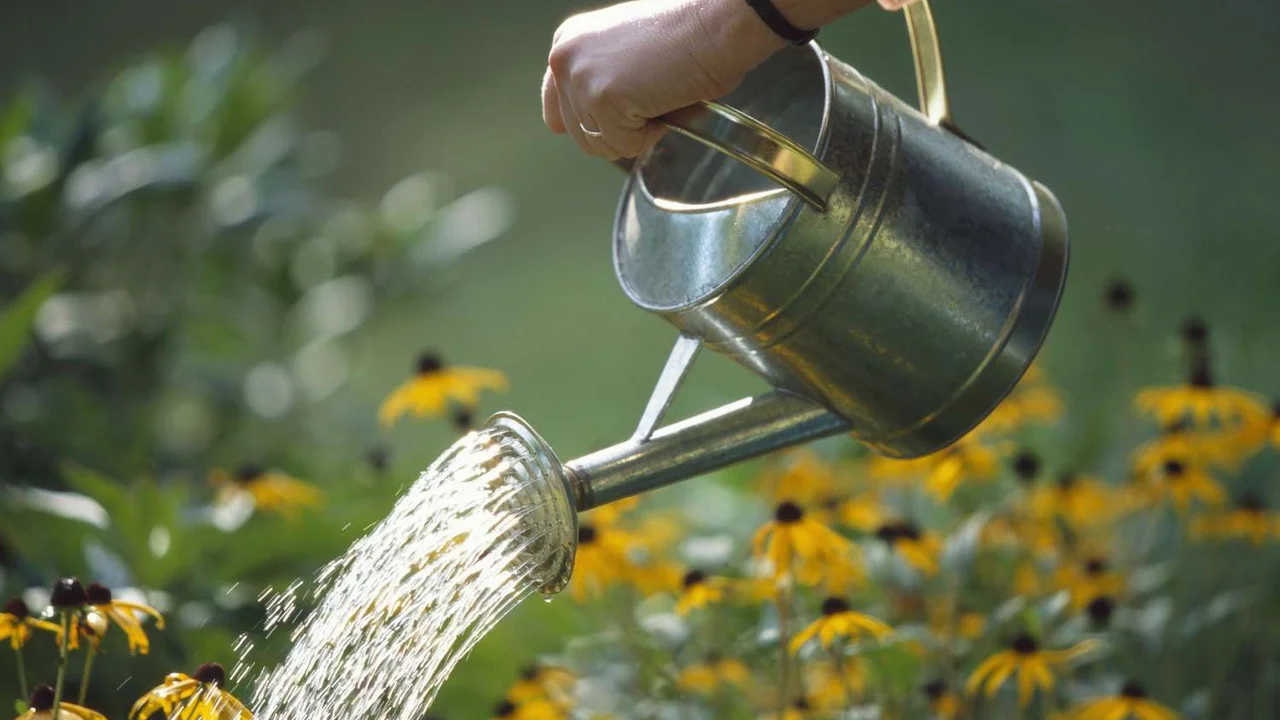
- Haws Traditional Metal Watering Can: Made from galvanized steel, these classic watering cans are built to last for decades. They are rust-resistant and provide a gentle, even pour, reducing water runoff. \n
- Use Case: Watering potted plants, delicate seedlings, and small garden beds. \n
- Price: Approximately $50-$100 USD (depending on size). \n
- Why it's Eco-Friendly: Extreme durability, made from recyclable metal, and designed for efficient watering. \n
- Gardena EcoLine Watering Can (Recycled Plastic): Gardena's EcoLine features products made from a high percentage of recycled plastic. These are lightweight and functional, offering a more sustainable plastic option. \n
- Use Case: General watering of various plants, easy to carry. \n
- Price: Approximately $20-$30 USD. \n
- Why it's Eco-Friendly: Made from recycled plastic, reducing virgin plastic consumption. \n
- Water Right Polyurethane Garden Hose: Unlike traditional PVC hoses that can leach chemicals and degrade quickly, polyurethane hoses are drinking water safe, flexible, and incredibly durable. They are also lighter and easier to coil. \n
- Use Case: All general garden watering needs, from large beds to containers. \n
- Price: Approximately $50-$100 USD (depending on length). \n
- Why it's Eco-Friendly: Non-toxic, long-lasting, and less prone to cracking, reducing waste. \n
- \n
- \n
- \n
5. Eco-Friendly Composting Tools for Nutrient-Rich Soil
\nComposting is the ultimate act of garden sustainability, and the right tools make it easier.
\nProduct Comparison:
\n- \n
- Good Ideas Compost Wizard Jr. Tumbler (Recycled Plastic): This compact tumbler is made from recycled plastic and makes composting easy and efficient. Its tumbling design aerates the compost, speeding up decomposition. \n
- Use Case: Small to medium-sized gardens, for composting kitchen scraps and yard waste. \n
- Price: Approximately $100-$150 USD. \n
- Why it's Eco-Friendly: Made from recycled materials, promotes waste reduction and creates natural fertilizer. \n
- Stainless Steel Compost Aerator: A simple yet effective tool, a good quality stainless steel compost aerator helps you turn and aerate your compost pile without heavy lifting. Stainless steel ensures it won't rust. \n
- Use Case: Aerating open compost piles or larger bins to speed up decomposition. \n
- Price: Approximately $30-$50 USD. \n
- Why it's Eco-Friendly: Durable, long-lasting, and supports the natural composting process. \n
- Worm Factory 360 Worm Composter (Recycled Plastic): For indoor composting or smaller spaces, a worm composter is fantastic. This model is often made with recycled plastic and allows worms to break down food scraps into nutrient-rich vermicompost. \n
- Use Case: Composting kitchen scraps indoors, producing high-quality fertilizer. \n
- Price: Approximately $120-$180 USD. \n
- Why it's Eco-Friendly: Reduces food waste, produces natural fertilizer, and often made from recycled materials. \n
- \n
- \n
- \n
6. Sustainable Garden Markers and Labels for Organization
\nKeeping track of your plants is important, and eco-friendly markers do it without plastic waste.
\nProduct Comparison:
\n- \n
- Bamboo Plant Markers: Simple, elegant, and highly sustainable. Bamboo markers are biodegradable and can be written on with a pencil or permanent marker. \n
- Use Case: Labeling seedlings, herbs, and vegetables in garden beds or pots. \n
- Price: Approximately $5-$15 USD for a pack of 50-100. \n
- Why it's Eco-Friendly: Rapidly renewable, biodegradable, and avoids plastic. \n
- Slate Garden Labels: Durable and long-lasting, slate labels can be written on with chalk or a paint pen and reused year after year. They add a rustic charm to your garden. \n
- Use Case: Permanent labeling of perennials, shrubs, or garden sections. \n
- Price: Approximately $15-$30 USD for a pack of 10-20. \n
- Why it's Eco-Friendly: Extremely durable, reusable, and natural material. \n
- Copper Plant Labels: Copper labels develop a beautiful patina over time and are incredibly durable. You can emboss or engrave them for a long-lasting, elegant solution. \n
- Use Case: High-end, permanent labeling for special plants or garden areas. \n
- Price: Approximately $20-$50 USD for a pack of 5-10. \n
- Why it's Eco-Friendly: Extremely long-lasting, reusable, and copper is a recyclable metal. \n
- \n
- \n
- \n
Maintaining Your Eco-Friendly Gardening Tools for Longevity
\nEven the most sustainable tools won't last if they're not cared for properly. Regular maintenance is key to extending their lifespan and maximizing their eco-friendliness. Here are some tips:
\n- \n
- Clean After Each Use: Remove soil, sap, and debris from your tools after every gardening session. A stiff brush and water usually do the trick. For stubborn sap, a little rubbing alcohol can help. \n
- Dry Thoroughly: Always dry your tools completely before storing them to prevent rust, especially on metal parts. \n
- Sharpen Blades Regularly: Sharp tools make clean cuts, which are better for your plants and require less effort from you. Use a sharpening stone or file for pruners, hoes, and shovels. \n
- Oil Metal Parts: Apply a light coat of linseed oil or mineral oil to metal blades and moving parts to prevent rust and keep them operating smoothly. \n
- Condition Wooden Handles: Wooden handles can dry out and crack over time. Rub them with linseed oil or a wood conditioner periodically to keep them supple and prevent splintering. \n
- Store Properly: Hang tools in a dry, protected area, away from the elements. This prevents rust and keeps them organized. \n
- Repair, Don't Replace: If a part breaks, see if it can be repaired or replaced before buying a whole new tool. Many high-quality eco-friendly tools are designed with replaceable components. \n
By following these simple maintenance steps, your eco-friendly gardening tools will serve you well for many years, reducing waste and saving you money in the long run. Happy gardening!
" } ] }:max_bytes(150000):strip_icc()/277019-baked-pork-chops-with-cream-of-mushroom-soup-DDMFS-beauty-4x3-BG-7505-5762b731cf30447d9cbbbbbf387beafa.jpg)